Wood Framing Mold Removal (Joists, Studs, Rafters) in East Downtown, TX
Mold removed from affected wood framing in your East Downtown property, with sound lumber cleaned and dried. Call 24/7 to start your assessment and define the cleanup scope.
- Joists, studs and rafters
- Containment and HEPA filtration
- Moisture readings before repairs
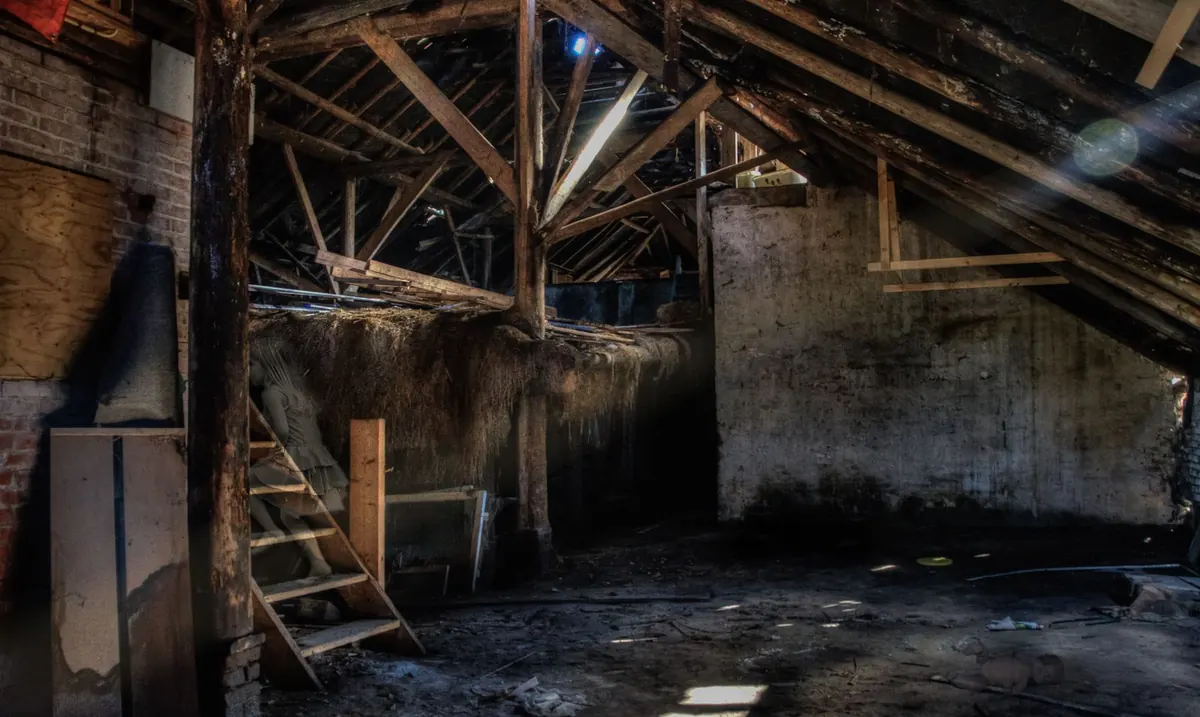
East Downtown Mold Removal Services for Wood Framing
Mold cleanup covers your beams and rafters, joists and studs, plus trusses that can be reached. Cleaning and drying address sound wood. Deteriorated framing needs its own assessment for structural repair.
Your floor bays and roof framing undergo checks for moisture hidden from view. Since wood is porous, its condition and reachable surfaces guide cleaning. Access to affected wood may require taking out moldy drywall and insulation.
Containment and cleaning, followed by structural drying and completion checks, are defined in your written work scope. Material replacements, leak fixes and ventilation corrections require explicit inclusion. Structural repair work has a separate definition.
- Cleanup of Floor Joists and the Rim Joist
- Cleanup of Exposed Beams and Wall Studs
- Rafters and roof framing assessment
- Contained Entry With Damaged Insulation Removal
- Wood moisture readings before closure

Mold Removal for Wood: Signs to Notice
Have your framing assessed when you notice dampness, odor or growth around it.
Mold on Floor Joists
Spots appear beneath your floor beside plumbing leaks or damp crawl space surfaces.
Growth Returns on Exposed Wood
An unresolved water source allows spots to recur following cleanup.
Mold on Studs Behind Drywall
You uncover growth, water stains or peeling paint around framing when walls are opened.
Musty Smell Beneath Wood Floors
You may notice cupped flooring or an odor with concealed dampness.
Mold on Rafters
Leaks, condensation or poorly routed exhaust leave roof framing damp.
How Wood Mold Removal Works
Assessment starts your job; cleaning under containment, drying and verification follow.
Assess the Wood Framing
Your call identifies affected rooms. Mapping wood moisture content requires a moisture meter, while a thermal imaging camera helps reveal temperature differences without identifying mold.
Identify Your Moisture Source and Define the Work
Leaks, condensation and ventilation problems are traced. Your plan defines access openings and moisture fixes; wood rot or questionable structural members receive a separate assessment.
Contain the Wood Work Area
A containment barrier encloses affected bays using poly sheeting. A HEPA air scrubber, paired with negative air pressure, helps keep mold spores from spreading throughout removal and cleaning.
Remove Damaged Surrounding Materials
Your framing becomes accessible once damaged insulation and drywall come out. Load-bearing wood is removed according to the structural repair plan; debris goes into bags within containment.
Clean Sound Wood Surfaces
A HEPA vacuum removes growth and residue from sound wood together with damp cleaning. When appropriate, cleaning is supplemented with antimicrobial treatment.
Dry the Framing
After cleaning, drying is aided by controlled air movers and a dehumidifier. Moisture readings monitor progress ahead of reinstalling insulation or wall finishes.
Verify the Completed Cleanup
Cleaning and drying undergo post-remediation verification against the scope you agreed to. Specified clearance testing is done by an independent assessor; remaining stains alone cannot establish completion.
Remove Containment After Final Checks
Containment stays up until verification finishes. Repair after remediation covers insulation, other finishes and drywall according to your scope.
Why Choose Houston Mold Removal Services for Wood Framing Mold Removal
Wood Cleaning Through Final Checks
Sound wood members are checked after cleaning and drying, ahead of containment removal.
Wood Moisture First
Your assessment traces the water source before cleaning and closure.
Clear Work Scope for Contained Wood Cleanup
Before work starts, you get a scope explanation, with HEPA filtration and containment suited to the affected bays.
Calls Answered 24/7
One number starts your framing cleanup across the metro, day or night.
Preparing for Wood Cleanup in Harris County
Minimize disturbance while your assessment is being arranged.
- Stop water if safe. Avoid wet electrical equipment.
- Leave growth alone. Do not attempt to blast, sand or brush it yourself.
- Keep the work area clear. Keep people and pets away from affected framing.
- Avoid affected HVAC use. Leave any possibly contaminated system off, as EPA advises.
- Act on fresh water damage. To prevent mold growth, EPA advises drying damaged areas and items within 24 to 48 hours after water damage.
Wood Framing Mold Removal Cost in East Downtown
Access, affected area and the wood's condition shape your price. The published ranges are national figures for general remediation rather than framing specifically. Assessment defines your cleanup, with repairs set out separately.
Typical national range, average $3,500
$1,500 to $9,000 per jobSource: Fixr, Mold Remediation Cost (checked 2026-10-23)Typical range, average $2,300
$1,200 to $3,750 per jobSource: This Old House, Mold Remediation Cost (cost data credited to Angi) (checked 2026-10-23)Areas larger than about 10 square feet: professional rate
Each square foot costs $10 to $30Source: Fixr, Mold Remediation Cost (checked 2026-10-23)Why Your Framing Cleanup Price Can Vary
- Structural drying and repairs
- Containment equipment
- Access around pipes and wiring
- Affected wood square footage
- Drywall removal and disposal
Pricing Your Wood Cleanup
These published national ranges are planning figures. Your on-site assessment defines the work and price before cleanup starts, including any separate source repairs or rebuilding.
Call (844) 352-3560 about costWood Framing Mold Removal (Joists, Studs, Rafters) Service Area Across Greater Houston
Call (844) 352-3560 to arrange cleanup in East Downtown or nearby communities. One number covers the metro.
Wood Framing Mold Removal (Joists, Studs, Rafters) in Locations Near East Downtown
ZIP codes
Answers to Wood Framing Mold Removal (Joists, Studs, Rafters) Questions in East Downtown
How much does framing mold cleanup cost in Harris County?
Assessing wood condition, access openings and the affected area comes before setting your price. General national remediation ranges, their units and sources appear in the cost cards above. Your total can vary with damaged insulation, tight floor bays and structural repairs. Before work starts, your scope separates rebuilding from cleaning and drying.
Will cleaned wood develop mold again?
If you leave moisture problems uncorrected, mold can reappear. Your assessment identifies condensation, leaks in plumbing or roofing, or other sources ahead of cleanup. Affected wood undergoes cleaning and drying, while moisture repairs are either included or listed separately. Enclosing framing before the wood dries can leave the underlying problem in place.
In East Downtown, how much time does framing cleanup need?
Assessing framing and access routes comes before setting your schedule. Studs inside finished walls require a different approach from joists left exposed. Opening cavities, cleaning multiple wood faces and drying thick members affect timing. Moisture readings and final checks determine when your framing is ready for insulation and finish repairs.
Does cleanup also address the leak or moisture issue?
The moisture source is traced and the needed corrections are defined alongside cleanup. Your scope must list plumbing repairs, roof work or ventilation changes for those tasks to be included. Separate repair work is identified before starting so your cleaned framing is not closed in while the original source remains active.
Is testing required before you clean wood or once cleaning ends?
With visible mold, you often do not need air sampling, according to EPA guidance. Your first assessment charts moisture, growth and access requirements. Containment stays in place until cleaning and drying checks finish, including independent clearance testing when required by the scope. Indoor mold levels have no federal limit, and you cannot evaluate structural strength through air testing.
Must you replace joists or studs that have mold?
You can often keep sound studs and joists once cleaning and drying are complete. A repair assessment is needed for soft or structurally damaged and deteriorated members; replacement may follow. Wood strength cannot be judged by residual discoloration and mold on surfaces alone. Structural repair and surrounding drywall removal are distinguished from surface cleanup in your scope.
During wood framing cleanup, can you remain at home?
You may remain at home if rooms you occupy are separated from both the work zone and debris path. That choice depends on shared ventilation, opened wall cavities and access to essential rooms. Before work starts, your assessment defines the restrictions. For some projects, you need temporary arrangements elsewhere throughout containment, removal and cleaning.
Wood Mold Cleanup and Insurance in Texas
Coverage under your homeowners insurance turns on what caused the moisture, policy exclusions, the deductible and limits for mold. Structural repair and cleanup may be treated differently in coverage decisions.
Wood Mold and Access Risks Across Greater Houston
Separation between your cleanup area and occupied rooms helps contain spreading dust.
Wood Dust Control
Particle control during disturbance of affected wood relies in part on protective equipment and HEPA filtration.
Overhead Wood Access
Rafter access is planned without using unsupported ceiling surfaces as a walkway.
Black Mold on Wood
CDC explains that a mold's risk cannot be determined from its color.
Concealed Wood Damage
Visible mold does not establish the extent of damage behind finishes.
Cleanup scope: You can often clean areas under about 10 square feet yourself, EPA says. Professional assistance is needed with larger areas, mold from sewage or contaminated water, or HVAC systems.
Harris County Wood and Nearby Materials
Cleaning followed by drying may allow your sound structural wood to stay. Damage calls for an assessment of repair and removal needs.
Framing Lumber
- Sound framing is cleaned; weakened members need structural assessment.
Surrounding Porous Materials
- You may need to discard damaged insulation and moldy drywall.
Finishes and Coatings
- Cleaning and drying come before applying any specified sealant or encapsulant. Coating wood does not repair damage.
Timing Your Wood Cleanup in Harris County
Cleaning, access, repair work and drying affect how long your job takes. Readings of moisture establish readiness to close the framing.
- Enclosed studs: Discovering concealed damage and opening walls may broaden the work scope.
- Damp joists: Wood readiness for enclosure is determined through repeated readings.
- Damaged rafters: Planning repairs and assessing the structure may postpone rebuilding.
Odor Around Wood Framing in East Downtown
Fragrance cannot eliminate your odor's source. Investigation of mustiness also considers moisture out of sight and growth you can see.
For your indoor relative humidity, EPA recommends an ideal range of 30 to 50 percent and a level below 60 percent. Measuring room humidity cannot substitute for checking wood.
Texas Requirements for Your Wood Repairs
Wood Cleanup Requirements
Texas licenses mold assessment consultants, mold assessment technicians and mold remediation contractors through the Texas Department of Licensing and Regulation (TDLR). Visible mold under 25 contiguous square feet can generally be cleaned by people without a license, and you can check any contractor in the TDLR license search.
Structural Repair Permits
Your included building work, structural or otherwise, determines which permits are required.
Rental Property Work
Renters should report leaks and visible mold to the property owner in writing and keep a copy.
State Mold Information
Texas mold questions go to the Texas Department of Licensing and Regulation, which took over the state mold program from the Department of State Health Services on November 1, 2017. TDLR also publishes a Consumer Mold Information Sheet that state license holders give clients before work begins.
State guidance: TDLR Mold Assessors and Remediators FAQs; TDLR Mold Program Update (SB 1255), Sept 17, 2025; Texas DSHS page noting mold program transfer to TDLR
Related Services and Next Steps
Start Your Wood Framing Mold Removal (Joists, Studs, Rafters) in East Downtown
Call 24/7 to arrange your assessment. Your cleanup starts with the affected surfaces, moisture source and access to your home.